Game Prices Are Collapsing: Publishers Were Wrong
Posted 10 months ago
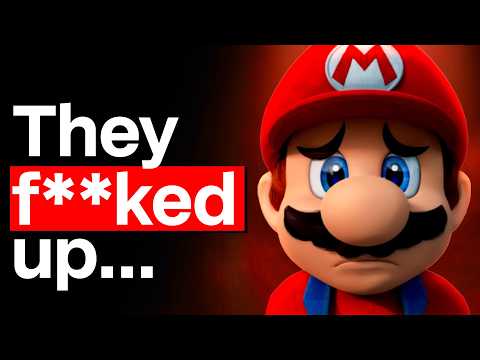
The discussion begins with an examination of the escalating costs associated with video games, particularly spotlighting Microsoft and Nintendo raising the price of new titles to $80. This price hike has sparked concerns among gamers, who are already feeling the pinch of economic inflation. However, an interesting trend is emerging amidst these worries: the actual prices of games being purchased are decreasing. This notion is underscored by the speculation surrounding the much-anticipated Grand Theft Auto 6, which has been linked to a rumored price tag of $100. Although this conjecture has been met with skepticism from Take 2, the game's delay pushes the matter into uncertainty, leaving gamers to ponder when the truth will emerge. Transitioning from these high-profile titles to broader market trends, the narrative highlights how audiences have begun to push back against the new norm of $80 game prices. A notable example is Xbox's attempt to set the price of The Outer Worlds 2 at this elevated level. The backlash was swift, leading Microsoft to reconsider and adjust the price, revealing a resilient consumer sentiment against inflated costs. This incident serves as a microcosm of the larger industry dynamics at play, where developers and publishers are navigating the fine line between profitability and consumer acceptance. Additionally, the video delves into the implications of this pricing discourse for smaller games and indie developers. The impact of rising costs isn't uniformly felt across the board; rather, it is a nuanced scenario where the indie scene continues to thrive, albeit amidst financial pressures. This segment draws attention to the thriving ecosystem that allows for lower-priced offerings to coexist, suggesting that while AAA games may trend upwards in pricing, the diverse indie landscape maintains a different trajectory, one that is more in tune with the audience's wallets. As the narrative unfolds, it also touches on the shifting perceptions of value in gaming. It presents a world where the worth of a game isn't solely determined by its retail price but also by the experiences, stories, and engagement they offer. This perspective encourages a re-evaluation of what gamers prioritize: Are they inclined to invest in fewer, pricier titles, or do they seek a wider array of experiences at more accessible price points? The story leaves viewers contemplating the future of gaming economics, hinting that while the industry grapples with pricing strategies, the ultimate arbiter will be the gamers themselves, who wield the power to influence market trends through their purchasing choices.
today's clout shift
who's popping / who's flopping
popping
-
Brawl Stars▲ 183207.1
-
IShowSpeed▲ 123073.9
-
TheBurntPeanut▲ 90841.6
-
Asmongold TV▲ 81023.3
-
▲ 64870.1
flopping
-
MuffinatorMan▼ 2589.3
-
▼ 3797.4
-
▼ 4214.2
-
Here's Johnny▼ 4293.6
-
Johnny and Marty▼ 6592.7
posting rampage rn
who keeps hitting
-
last seen 2 days ago10 days
-
last seen 2 days ago9 days
-
last seen 2 days ago9 days
-
last seen about 23 hours ago8 days
-
last seen 2 days ago8 days


more bangers


Respawn Report
Top 10- The New Street Fighter Movie Gets Savaged By Critics, But Not Everyone Hates It
- Castlevania: Belmont’s Curse Is The Latest Game To Attend The Hades School Of Making Everybody Hot
- The Live-Action Street Fighter Movie Curse Has Yet To Be Broken
- Massive GTA 6 Banner In Paris Censors All Of The Guns
- Pro Dota 2 Player Claims He Had to Play a Full Match in Front of Police Officers to Prove His Identity
- Welp, all of you RuneScape folks who hate Reignited have gotten your wish, as the controversial MMO rejig has been cancelled
- Battlefield 6 Gets Slammed For More Slop Slipping Through: ‘Charging Players $$$ For AI-Generated Content Is Peak Disrespect’
- The Mummy Officially Returns in 1 Year — Now With a New Cryptic Title
- How to unlock fast travel in Castlevania: Belmont's Curse
- Less than 2 weeks after announcing RuneScape Reignited, Jagex is scrapping the whole thing
chat
scribble in the chat
zero riz in the chat